
Rethinking Vegetable Tanning
How upcycled spruce from northern forests can provide a local, lower impact source of condensed tannin for leather
Vegetable tanning began with local tree barks. At Boreal Bioproducts we have revisited that heritage and developed SpruceTannin™, an extract from upcycled Norway spruce bark, a forestry sidestream that performs in modern tannery workflows while improving traceability and circularity.
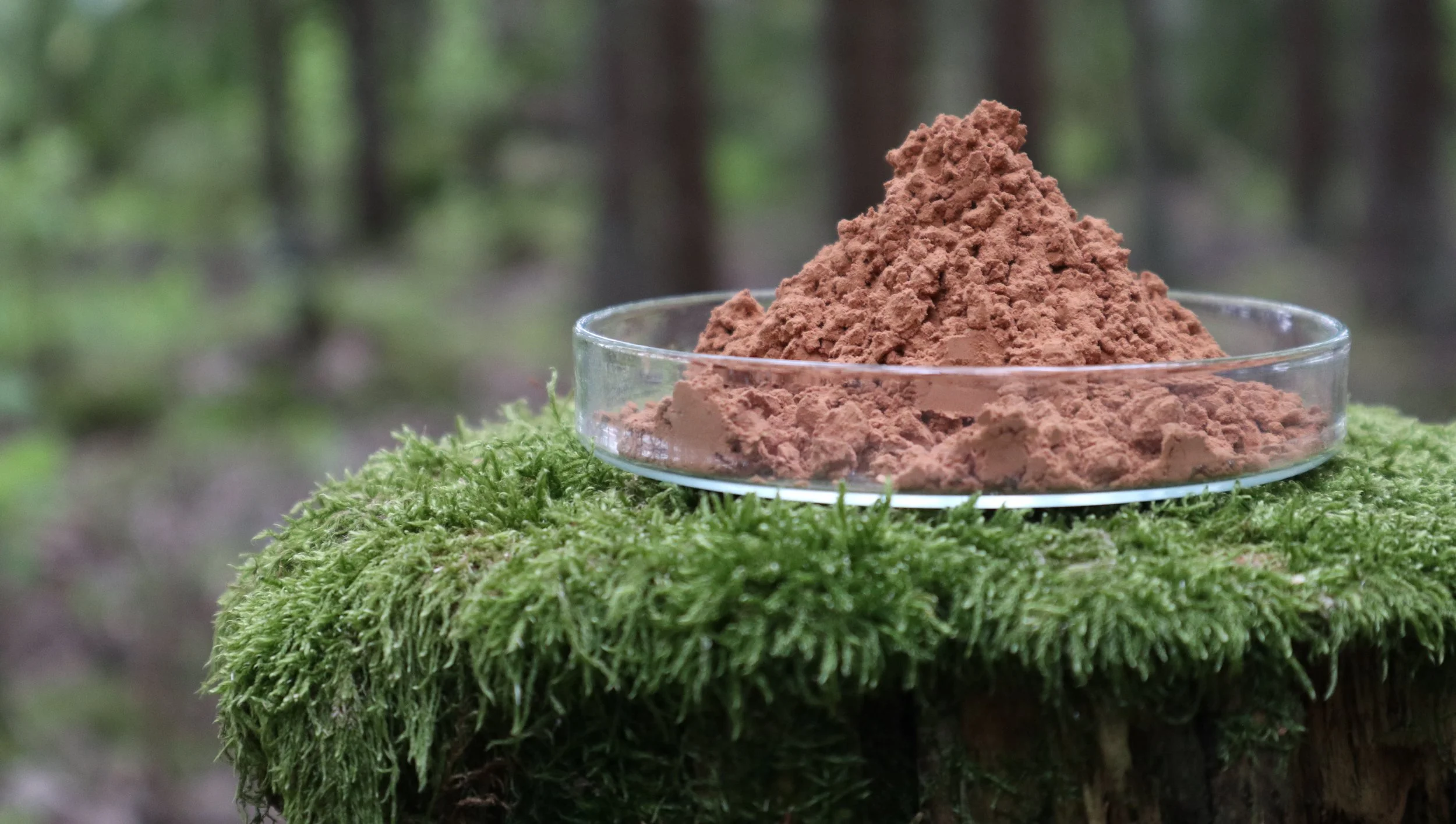
SpruceTannin™
Circular value from Forestry Sidestreams
Spruce bark is abundant across Nordic forests and today exists as an under-utilised sidestream from sawmilling and forestry. Converting this material into a high-quality vegetable tanning agents not only adds regional value but also mitigates the environmental pressures linked to imported sources. Conventional tannins such as mimosa and quebracho contribute to deforestation, soil degradation, and biodiversity loss. Mimosa plantations, in particular, spread invasively, deplete water and nutrients, and often displace small farmers. Even chestnut, often considered a more sustainable alternative, depends on heartwood extraction, requiring trees to be felled. In contrast, our process makes full use of existing forestry byproducts without new harvesting, using a water-based, industrial-scale extraction that strengthens circular value chains and avoids the ecological footprint of plantation-based tannin production.
What SpruceTannin™ is and what it can do
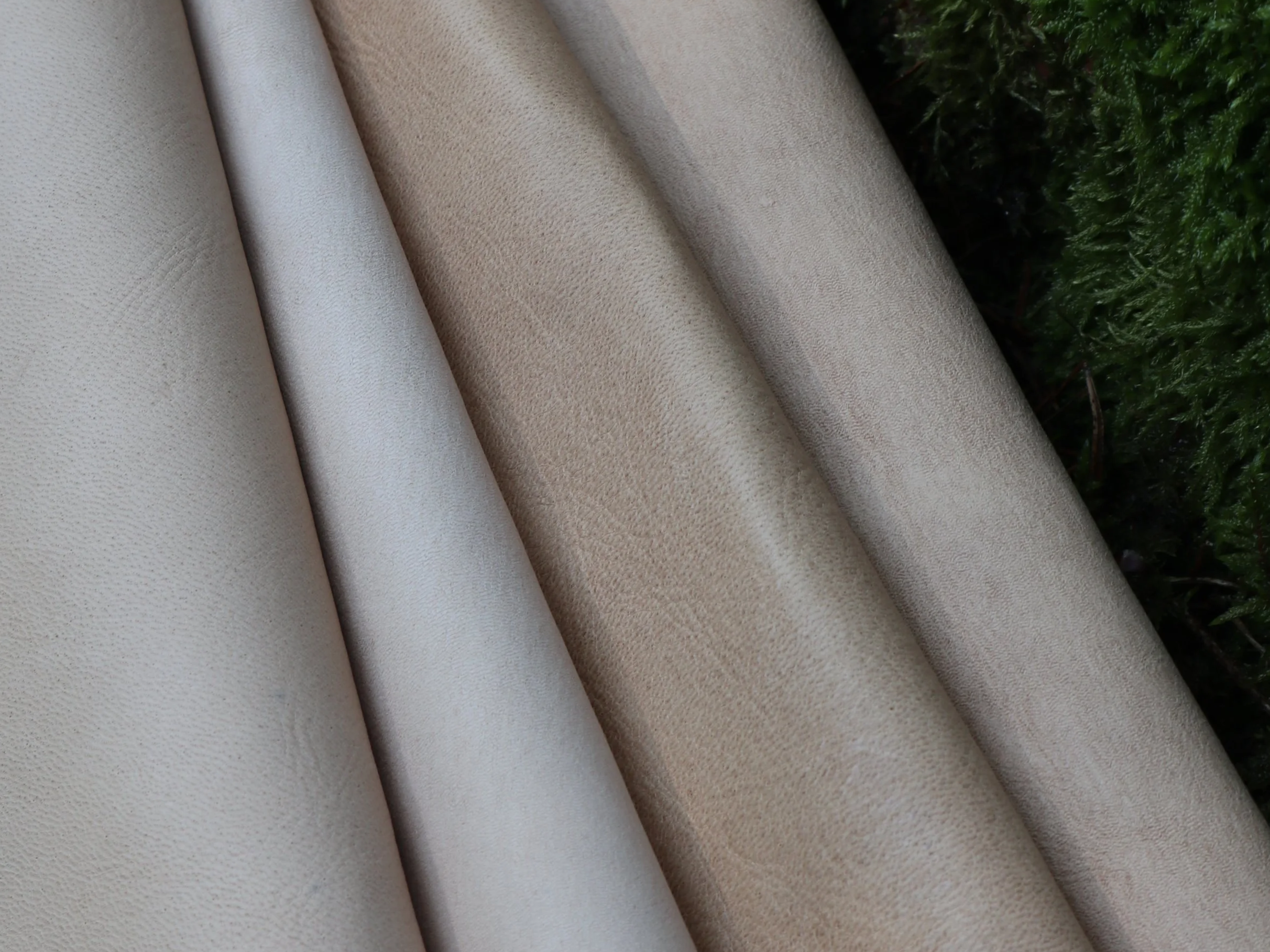
SpruceTannin™ is natural and designed to work with industrial tannage methods so it can be adapted to existing production processes. It produces a naturally light, neutral base that dyes well and supports vivid finishes. The leather has a distinguishable compact feel and responds to everyday finishing techniques used by industrial tanneries.
Why this matters for materials and supply chains
Choosing regional tannins from certified forests can reduce supply risk and support shorter, more transparent material chains. Beyond traceability and sourcing resilience, recent life cycle assessment data highlight the tangible environmental advantages of this approach.
The sawdust upcycling process behind SpruceTannin™ shows a cradle-to-gate footprint of around 200 kg CO₂e per tonne of biochemical output, with nearly 60 percent of emissions linked to the sawmill allocation itself. This represents a 70 to 80 percent lower carbon footprint compared to conventional fossil or crop-based chemical routes. By transforming certified forestry sidestreams into high-value ingredients, the process delivers measurable climate benefits while strengthening supply chain transparency.
It is an opportunity for brands to differentiate through origin and circularity while keeping product quality and manufacturability high. For tanneries, it opens a route to meet rising demand for traceable, responsibly sourced leathers.
Reliable results in production
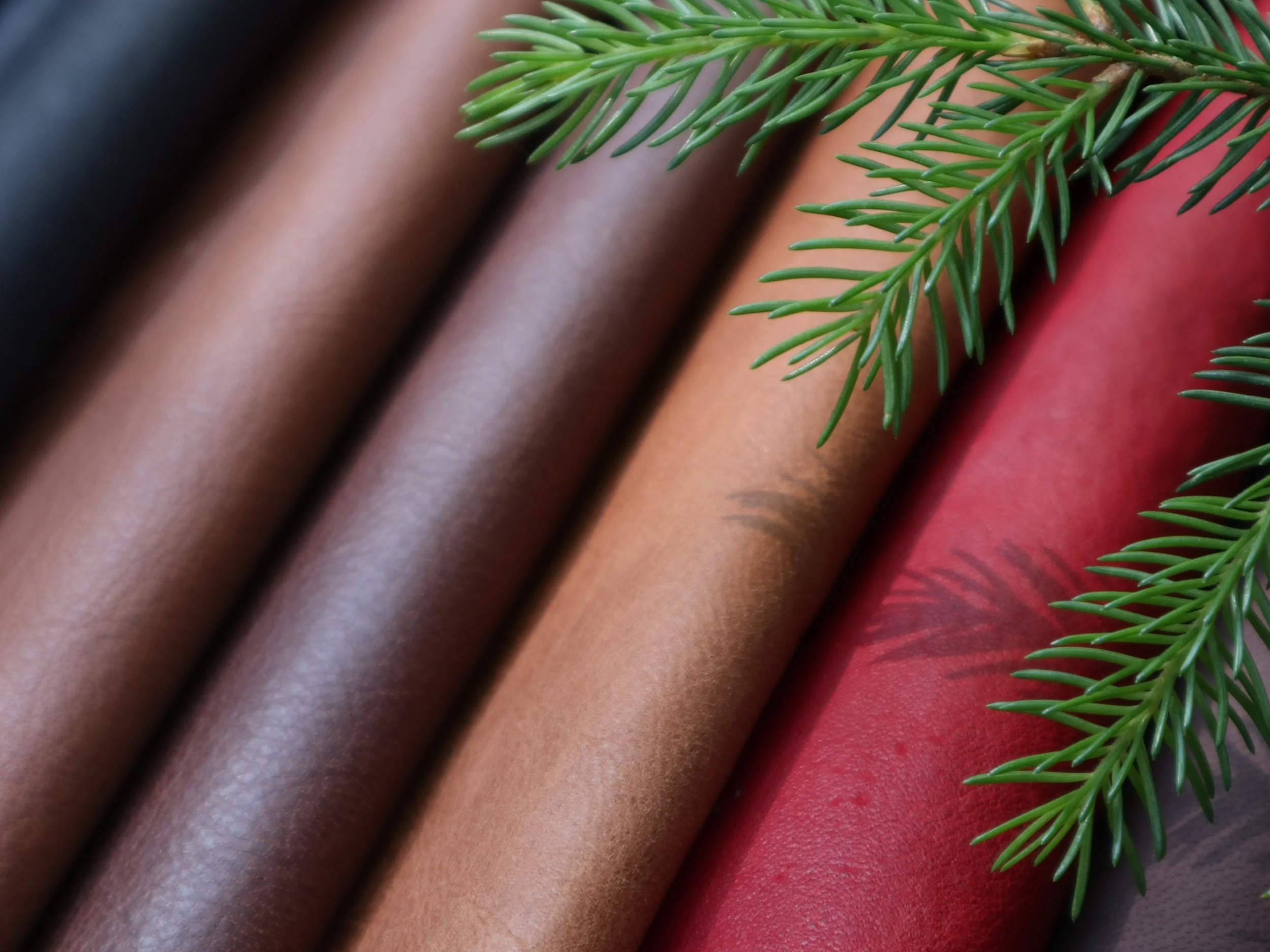
Spruce-tanned leather is high in quality and responds well to standard finishing and softening processes, which helps it meet industrial standards. It tolerates common dyeing and surface treatments and lends itself to a range of product types from accessories to small goods. For producers seeking a distinct natural aesthetic and reliable performance, spruce provides a compelling balance.
SpruceTannin™ can be introduced into existing workflows with predictable results: compact, light-coloured leather that takes dye well and carries a strong story about local sourcing and circular material use.
If you are curious about how regional tannins could work for your products or supply chain, contact us. We can share samples, discuss sourcing and explore pilot opportunities that bring local stories and demonstrate high performance together.
Boreal Bioproducts is a Finland-based biorefinery startup. It’s mission is to convert forest industry side-streams into valuable ingredients for the personal care and chemical industries. It enables the transition towards bioeconomy. The growing offering of ingredients consists of SpruceSugar™ polysaccharides, SpruceLigno™ lignins, SpruceFiber™ specialty fibers, SpruceMix™ phenolic oligosaccharides and SpruceTannin™ polyphenols rich in tannin.